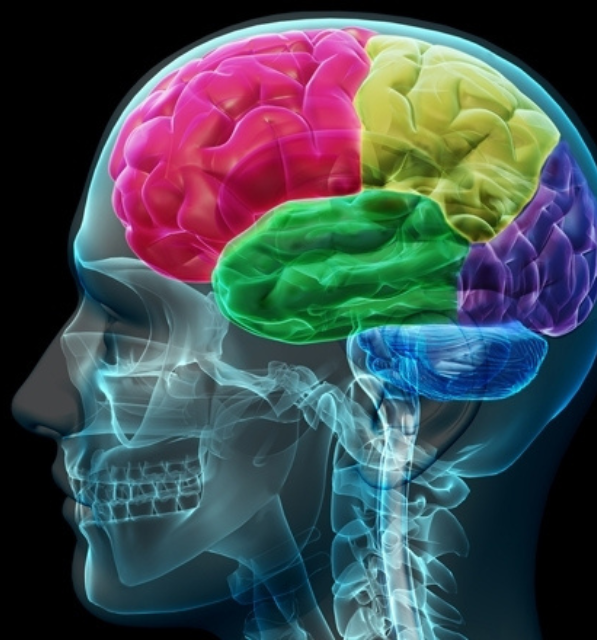
The Science Behind Handwriting: How the Brain Drives Writing
Humans have the most powerful organ in their body which operates beyond standard measurement capabilities. People have accomplished astounding achievements during history because the brain executes its intricate functions.
Neural Function and Communication Numerous specialized brain cells known as neurons exist in billions which transmit their messages through complex electrical and chemical signals. The cells send electrochemical waves between themselves to allow efficient neural communications. This network allows the neuronal cells in the brain to transmit neurological signals that regulate body movements through the neuromuscular network. Brain processes orchestrated each individual movement in the human body.
The Link Between the Brain and Writing
Through the nervous system brain signals pass to the hand in order to execute writing movements. A brain-generated thought leads to electricity inside the nervous system which activates muscle movements in both upper limbs and extremities and fingers. The chain of signals directs hand movements which enables fingers to convert thoughts into written words.
Writing originates from the brain although fingers act as physical execution tools for this task. Writing through handwriting demonstrates direct neural activity thus people describe it as “brain writing.” The writing process reveals cognitive and emotional states of individuals through their stroke patterns and pressure intensity while showcasing personal expressions of neurological and psychological processes
The Role of the Subconscious Mind
Our unconscious mind takes a central part in creating our mental processes along with emotional responses and behavioural patterns. Brain functions get influenced by this inner process from which writing stems. Handwriting is a neuromuscular activity which the brain controls by issuing commands through its operation of the subconscious mind.
How the Brain Controls Handwriting Thought Formation represents when the brain generates ideas as well as emotions and intentions for expression purposes. Sympathetic impulses take thoughts from the brain toward the muscles which direct hand movements through the nervous system. The brain-control signals instruct hand muscles to perform unique paper-imprinted movements of strokes and patterns as well as pressure applications. The writing instrument functions merely as a capturing tool by tracing hand movements and imprints their output onto written paper.
The Science of Interpretation The evaluation of stroke formation together with letter spacing and pressure and slant provides graphologists with meaningful insights about the personality traits and emotional states and cognitive processes of individuals. Experts who study handwriting evaluate handwriting elements to determine behavioral traits and reveal subconscious thoughts together with both personal strengths and limitations. Handwriting studies enable graphological experts to discover profound psychological details thus defining graphology as a strong instrument for improving oneself and helping find careers along with aiding crime scene investigations. Through handwriting the human mind leaves an immediate trace of itself. Subconscious control functions in this process makes handwriting serve as a distinctive indicator for the psychological traits of each person.
The scientific method of handwriting interpretation through Graphology reveals crucial information about human conduct thus making it fundamental for psychological studies and career consultancy as well as behavioral measurement